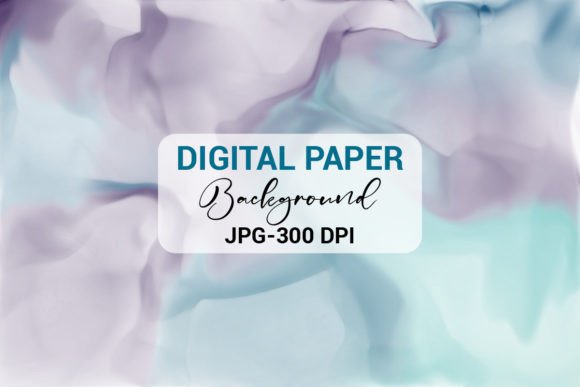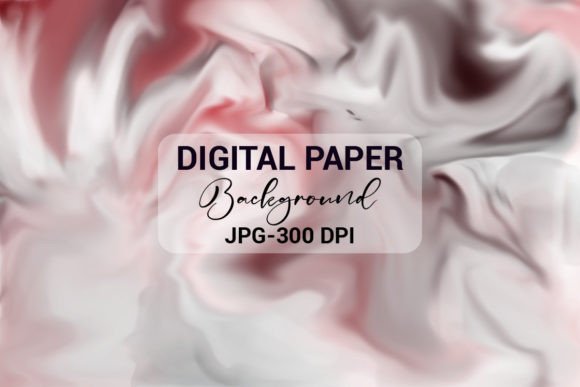
The Pink Alcohol Ink Digital Paper Graphic: A Versatile Visual Asset for Creative Workflows
In the realm of digital creation, the quality and adaptability of your core assets dictate the speed and polish of your final output. For professionals, freelancers, and hobbyists managing multiple projects, a single, high-caliber graphic file can serve as the foundational element across a diverse set of applications. The Pink Alcohol Ink Digital Paper Graphic represents precisely this kind of asset: a ready-to-use, high-resolution background designed for integration into various creative and professional workflows.
Understanding the Asset and Its Place in Your Process
This graphic is not merely a decorative image; it is a prepared digital material. The “Alcohol Ink” descriptor refers to its aesthetic origin—simulating the fluid, organic, and vibrant patterns created by alcohol-based inks on paper. This translates into a unique, painterly texture that is difficult to replicate manually. The provided file, a 300 DPI JPG, is delivered in a ZIP package, ensuring it is a single, portable entity. The high 300 DPI resolution means it retains crisp detail when printed, making it suitable for both digital and physical applications. This pre-made asset fits into the broader process during the asset acquisition and preparation phase, saving significant time that would otherwise be spent sourcing or creating a custom background.
Its value lies in its position as a plug-and-play component. Before a project begins, especially one requiring a cohesive visual theme, having such an asset on hand streamlines the initial design phase. Instead of starting from a blank canvas, you begin with a rich, textured base. This is particularly crucial for individuals who manage consistency across multiple outputs, such as a marketing campaign spanning social media, web assets, and printed materials.
Core Applications and Workflow Integration
The specified use cases—book covers, web backgrounds, social media posts, stickers, mobile covers, and more—are not just suggestions; they are practical pathways based on the file’s technical properties. Let’s examine how this graphic interacts with common tools and workflows.
Digital Platform Design: Canva, PowerPoint, and Beyond
The compatibility with platforms like Canva, MS Word, and MS PowerPoint is a direct workflow facilitator. Many users operate within these ecosystems for speed and collaboration. Uploading the Pink Alcohol Ink Digital Paper Graphic to Canva, for instance, turns it into an immediate background layer for a social media template, a presentation slide, or a brochure. In PowerPoint, it can be set as a master slide background, ensuring every slide in a deck carries the same professional, artistic texture. This interoperability reduces friction; you don’t need specialized design software to employ it effectively. It acts as a universal visual ingredient, enhancing standard office and web-based applications with a custom-designed look.
Physical Product Creation and Publishing
For ventures into physical goods or publishing, the 300 DPI resolution is key. In workflows for creating stickers or mobile covers, the file can be imported into dedicated print design software (like Adobe Illustrator or even Canva’s print templates) without needing upscaling or risking pixelation. For entrepreneurs using platforms like Amazon KDP (Kindle Direct Publishing), this graphic could serve as a base layer for a book cover design. Its organic, non-repeating pattern ensures the cover feels unique. Here, the asset interacts with decisions about trim size and bleed areas; its high quality provides enough malleable detail to crop and adjust as needed for specific cover dimensions.
Branding and Consistent Visual Language
For marketers, small business owners, and bloggers, maintaining a consistent visual language across touchpoints is a continuous process. This single graphic can be repurposed to serve that need. Using it as a subtle web background, a bold social media post backdrop, and a textural element in a newsletter creates a recognizable aesthetic thread without requiring a suite of different files. This approach touches directly on organization and efficiency: one well-chosen master file simplifies asset management and reinforces brand consistency more easily than managing a library of disparate images.
Practical Implementation and Workflow Tips
To smoothly integrate this asset into your routine, consider these process-oriented steps and observations.
First, upon downloading the ZIP, extract the JPG file and store it in a dedicated “Master Assets” or “Backgrounds” folder within your project or resource library. This simple act of organization makes it retrievable for future projects, supporting long-term use. Label it clearly, perhaps including keywords like “pink texture,” “high-res,” and “alcohol ink” for easy searching later.
Second, understand its role as a base layer. In most design software, you will place this graphic at the bottom of your layer stack. Its vibrant pattern means that overlaid text or other elements should have sufficient contrast. A practical tip is to create a semi-transparent white or dark overlay rectangle on top of the graphic to mute its intensity if you need a more readable text area, while still allowing the texture to shine through.
Adapting the Asset for Different Outputs
Your workflow will involve adapting the one file to different formats. For a square social media post, you might crop a central, interesting portion. For a wide web banner, you might stretch it horizontally, knowing that its non-geometric pattern stretches gracefully. For a circular sticker design, you would mask it to the circle shape. This adaptability showcases its utility—one source, many derivatives. Always keep the original 300 DPI file untouched; perform all crops and adjustments on copies or within your project file to preserve the source quality for other uses.
Furthermore, consider its interaction with other assets. It can complement stock photography, serving as a textured background behind a product photo. It can pair with vector icons and bold typography in a presentation. It can be layered under other subtle patterns for added depth. Its role is often collaborative within the design, working with other elements you already use.
Factors of Preparation, Quality Control, and Long-Term Value
Integrating a pre-made graphic like this into your workflow involves minimal preparation but requires attention to quality control. Before committing to its use in a final printed product, test it. Print a sample at the intended size or view the digital mock-up on different devices to check how the colors and details render. The pink tones and ink swirls should appear as intended on both RGB (screen) and CMYK (print) color spaces, though slight variations are natural.
From an efficiency standpoint, this asset eliminates the time cost of creating a custom background from scratch, which might involve learning specialized software, purchasing physical inks, or commissioning a designer. For productivity-minded users, that time savings can be redirected to other aspects of the project, like content creation or refinement.
The long-term use potential is significant. Because its style is not tied to a fleeting trend, the Pink Alcohol Ink Digital Paper Graphic can remain a useful part of your asset library for years, ready to be deployed whenever a project calls for an elegant, energetic, or artistic foundation. It represents a small investment in a versatile tool that supports a smoother, more consistent creative execution across both professional and personal endeavors.
Ultimately, the value of such a digital paper graphic is realized in its application—the moment it becomes the unseen foundation of a book cover that catches a reader’s eye, the consistent background that makes a series of social posts feel cohesive, or the textured detail that elevates a simple presentation. By understanding its properties and thoughtfully embedding it into your asset preparation and design processes, you turn a single downloaded file into a multifunctional component for countless creative workflows.