Blue Watercolor Digital Paper Background: Integrating Artistic Texture into Your Creative Process
A Blue Watercolor Digital Paper Background is more than a simple image file. It’s a foundational design asset, a textured canvas that brings an organic, artistic feel into digital projects. This asset fits directly into the planning and execution stages of visual creation, serving as a versatile base layer that sets the tone and aesthetic direction for a wide range of deliverables. Understanding how to integrate this background effectively can streamline workflows, enhance consistency, and elevate the quality of your output across multiple platforms and purposes.
The Core Asset and Its Role in Digital Design
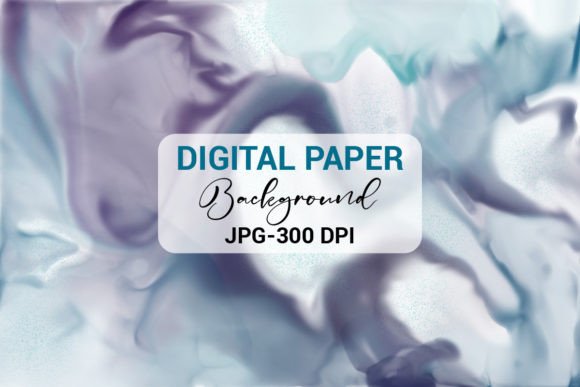
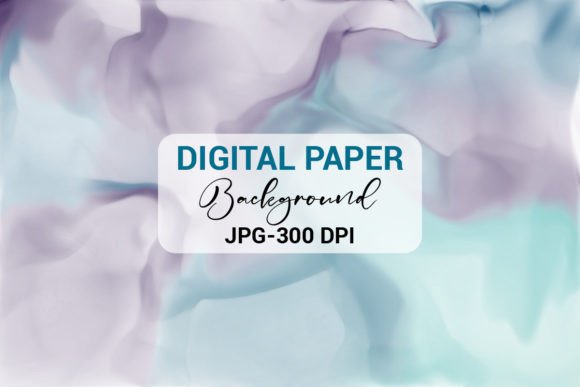
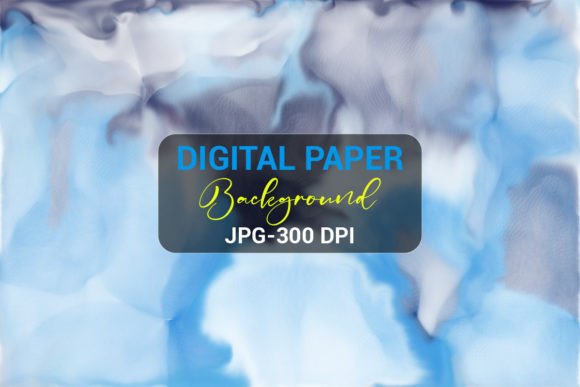
In essence, a Blue Watercolor Digital Paper Background is a high-resolution digital image featuring the soft washes, gentle blends, and organic texture characteristic of traditional watercolor painting, rendered in a specific blue hue. Its value lies in its application-ready format. The provided 300 DPI JPG file is a practical, industry-standard quality suitable for both print and digital use. This single asset can become a common thread in a multi-project workflow, from initial concept to final product.
This background acts as a starting point. Before diving into detailed design work, selecting a base texture like this one establishes an immediate mood—calm, professional, creative, or serene. It’s a decision that influences subsequent choices regarding typography, additional graphics, and color palettes. It moves the process from a blank slate to a textured foundation, reducing the time spent on creating or sourcing a base aesthetic from scratch.
Practical Integration into Common Workflows
The true power of this digital paper background is revealed in its integration across different tools and for diverse end uses. Its compatibility is key. The high-quality JPEG format ensures it can be uploaded directly into common applications without conversion or special preparation.
Streamlining Design in Popular Platforms
For creators using platforms like Canva, MS Word, or PowerPoint, the process is straightforward. The file is imported as a background image. In Canva, this might be the first step in designing a social media post template, setting a consistent brand background for a series of announcements. In Microsoft applications, it can transform a standard presentation slide deck or document cover page into a visually engaging piece. This integration step is minimal, yet it fundamentally changes the visual output, moving from generic to branded and artistic with one action.
For more advanced software like Adobe Photoshop or Illustrator, the background serves as a base layer. Designers can overlay text, logos, and other elements, using the watercolor texture to add depth and prevent a flat, digital look. The workflow here involves managing layer opacity and blending modes to ensure foreground elements remain legible and harmonious with the textured blue base.
Cross-Project Application: From Concept to Product
The same background file can be repurposed throughout a project lifecycle or across different business channels. This promotes organizational efficiency and brand consistency. Consider a small business owner launching a new ebook.
- Phase 1: Planning & Asset Selection. The blue watercolor background is chosen for its professional yet creative appeal.
- Phase 2: Execution. It is applied to the book cover design in a layout program. Simultaneously, a social media manager uses the same background file in Canva to create announcement posts, maintaining visual cohesion between the product and its marketing.
- Phase 3: Extension. After publication, the background might be used again for related materials—webinar slides, promotional stickers, or even physical merchandise like mobile covers if working with a print-on-demand service.
This reuse of a core asset saves time in sourcing new visuals for each task and creates a recognizable visual identity for the campaign.
Key Considerations for Effective Implementation
To integrate a Blue Watercolor Digital Paper Background smoothly, a few practical considerations will ensure quality and usability.
Preparation and Quality Control
The 300 DPI resolution is crucial for print applications like book covers or stickers. It ensures clarity and avoids pixelation. For purely digital uses like web backgrounds or social media, the file might be resized down, but starting from a high-resolution source preserves quality. Before full implementation, test the background in your intended application. Place sample text over it to check readability. Ensure the blue tone works with your brand’s accent colors. This small preparation step prevents adjustments later in the process.
Organization for Long-Term Use
Treat this background as a core asset in your digital library. Store it in a designated folder for “Brand Visuals” or “Project Bases” alongside other reusable elements. Proper labeling and organization mean you can locate and deploy it quickly for future projects, contributing to long-term workflow efficiency. If you use it across multiple team members or freelancers, providing this file as part of a brand kit ensures everyone works from the same consistent starting point.
Specific Use Cases and Workflow Examples
Let’s examine how different professionals might incorporate this background into their specific processes.
For Educators and Content Creators
An educator designing online course materials needs to create visually appealing slides, handouts, and promotional graphics. The workflow could involve opening PowerPoint, setting the blue watercolor background as the master slide theme. This instantly gives all lesson slides a unified, calm, and engaging aesthetic. The same file can then be used in a video editing program to create intro/outro frames for tutorial videos, or in a tool like Google Docs to design printable worksheet covers. The asset bridges different content formats under one visual style.
For Marketers and Social Media Managers
A marketer planning a monthly content calendar might designate this background for a specific campaign or for all “inspiration” posts. The practical process involves creating a template in their social media management tool or graphic design app with the background locked in place. Each week, they only need to add new text or product images over this consistent base, drastically speeding up content creation while building a recognizable look for their audience. It interacts with scheduling tools and analytics platforms by providing the consistent visual component that audiences begin to associate with the brand.
For Freelancers and Small Business Owners
A freelancer offering services needs to present proposals and reports that stand out. Using this background in the header of their standard Word document template or PDF proposal adds a touch of professional creativity before the client even reads the content. It elevates mundane documents into branded communications. Furthermore, it can be applied to their website’s blog section or email newsletter headers, creating a seamless experience from the proposal to the delivered work to ongoing communication.
Beyond the Single Use: Building a Cohesive Library
While this single blue watercolor file is powerful, its value multiplies when considered as part of a larger resource library. As the source profile suggests, exploring additional background designs, KDP interiors, and illustrations allows for the development of a full suite of compatible assets. A practical implementation strategy is to use the blue watercolor background for primary branding elements, and then select complementary textures or illustrations from the same creator for secondary materials. This ensures all visual assets share a similar artistic quality and resolution, making the overall design process more cohesive and less fragmented.
Integrating a Blue Watercolor Digital Paper Background is a straightforward yet impactful step in any visual design process. It provides an immediate aesthetic foundation, compatible with the tools most creators use daily. By considering its role in planning, testing its application across platforms, and organizing it for reuse, professionals, educators, and marketers can enhance their workflow efficiency and output consistency. This asset moves from being a simple download to an active component in the creation of books, digital content, marketing materials, and personal projects, adding an organic, textured layer of artistry to the digital world.