The Bucket List Event Journal: Your Strategic Blueprint for Meaningful Achievement
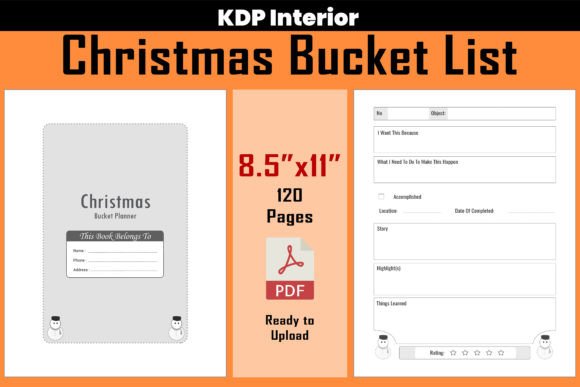
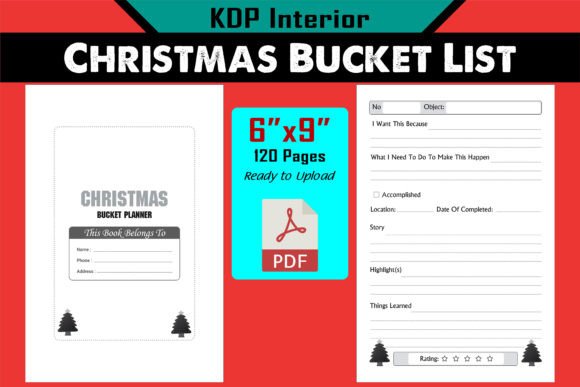
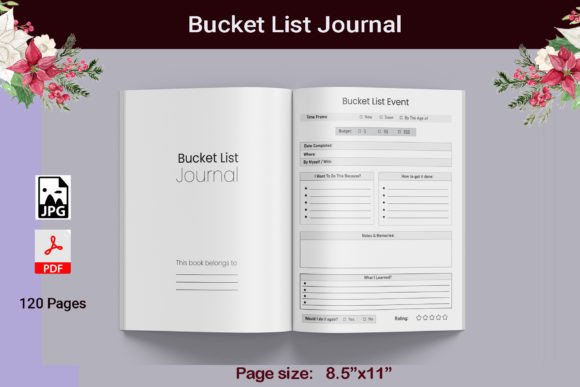
For many, a bucket list is a collection of distant dreams, aspirational notes scribbled on a napkin or fleeting thoughts saved in a phone. The Bucket List Event Journal transforms this scattered wish list into a structured, operational tool. At its core, it is a dedicated space—a 120-page, high-quality print-ready companion—designed not just to catalog your ambitions, but to plan, execute, and reflect on the events that define a purposeful life. Its utility stretches far beyond personal adventures; it serves as a strategic framework for professionals, creators, and entrepreneurs aiming to translate vision into tangible outcomes.
From Aspiration to Action: The Strategic Utility of a Dedicated Journal
Why might a simple journal be strategically useful? The answer lies in the cognitive and operational gap between having an idea and making it happen. A Bucket List Event Journal provides a physical anchor for your most significant goals. The act of writing engages deeper cognitive processing than typing a fleeting note. By dedicating a specific, premium-quality interior to your bucket list events, you signal a commitment to their importance. This isn't about random wish-fulfillment; it's about intentional life and project management.
For the entrepreneur, this could mean journaling the launch of a new product line or the expansion into a new market as a "bucket list event." For the educator, it might be designing and executing a transformative course or workshop. The journal becomes a central repository for pre-event planning, logistical details, stakeholder considerations, and post-event reflection. This structured approach mitigates the risk of important, complex goals remaining as vague, never-actualized concepts.
Planning with Precision: The Journal as an Operational Hub
Thoughtful use of a Bucket List Event Journal directly supports superior planning and execution. Each event entry can become a mini-project plan. Before the event, use pages to define clear objectives: What is the desired outcome? Who needs to be involved? What resources are required? What are the potential obstacles? This pre-event stage is crucial for aligning efforts and anticipating challenges.
During the event itself, the journal serves as a real-time log. Capture observations, conversations, and unexpected insights. This isn't merely a diary; it's a data collection point for refining your approach. For a marketer hosting a major campaign launch event, notes on audience reaction, media engagement, and partner performance become invaluable feedback for future initiatives.
After the event, the reflection section is perhaps the most strategically valuable. Analyze what worked, what didn't, and why. Measure outcomes against your initial objectives. This disciplined post-event analysis turns experience into genuine learning, ensuring that each major effort contributes to long-term growth and improved results. The journal, therefore, closes the loop from planning to execution to evaluation.
Intentional Use Cases: Where the Bucket List Event Journal Excels
Understanding when and how to deploy this tool maximizes its value. It is best suited for significant, discrete events or milestones that require preparation and carry meaningful consequence. Consider using it for:
- Career & Business Milestones: Launching a key initiative, attending a pivotal conference, securing a major client, or achieving a professional certification.
- Creative & Personal Projects: Completing a manuscript, staging an exhibition, running a marathon, or orchestrating a complex family reunion.
- Learning & Development Expeditions: Mastering a new skill through a dedicated course, undertaking a research trip, or participating in an immersive workshop.
The approach should be systematic. Dedicate a section of the journal to each bucket list event. Start with a clear statement of the event's strategic importance to you. Follow with a breakdown of phases: conception, planning, execution, and reflection. Use lists for tasks, timelines, and contacts. Employ free-form pages for sketching ideas, brainstorming solutions, and capturing inspirational quotes or data that relates to the event's success.
Risks of Unclear Application: Avoiding the Pitfalls
Like any tool, the Bucket List Event Journal can be misused. The primary risk is employing it without clear goals or context. Filling it with every minor desire or vague ambition dilutes its power and turns it into another unfulfilled list. Another pitfall is using it only as a pre-event checklist, neglecting the powerful post-event reflection phase. This robs you of the learning and strategic adjustment that completes the cycle.
To use it intentionally, begin by curating your list. Not every goal qualifies as a "bucket list event." Select those that represent significant investment—of time, resources, or emotional energy—and that will materially alter your trajectory or state. Be ruthless in this curation. The journal's 120 pages are a finite resource; treat each entry with corresponding seriousness.
Building Long-Term Value: The Journal as a Legacy Document
Over time, a consistently used Bucket List Event Journal evolves from a planning tool into a strategic legacy document. It chronicles your growth, your decision-making patterns, your resilience, and your evolving priorities. For a small business owner, this compiled history can inform branding decisions, operational improvements, and customer experience enhancements. Seeing how past events succeeded or failed provides a concrete evidence base for future strategy.
This long-term value also enhances creativity and communication. Reviewing past journal entries can spark new ideas by revealing patterns or forgotten possibilities. Furthermore, the documented journey provides rich, authentic material for storytelling in your professional communications or personal branding, grounded in real experience rather than generic aspiration.
Practical Integration into Your Operational Rhythm
To integrate the journal effectively, treat it as a key component of your regular review process. Periodically revisit not just upcoming events, but past event analyses. Schedule time for pre-event planning sessions using the journal as your focal point. After an event, consciously block time for the reflection entry before the memory and immediacy fade. This rhythmic use embeds the tool into your workflow, making strategic planning a habit rather than a sporadic effort.
Consider practical tips like using color coding for different event types (business, personal, learning), or attaching relevant photos or business cards to pages after an event to enrich the context. The high-quality 8.5x11 inch format of the Bucket List Event Journal KDP Interior provides ample space for such expansive thinking and documentation, distinguishing it from a cramped notebook.
A Framework for Better Decisions and Defining Results
Ultimately, the Bucket List Event Journal is a framework for making better decisions and achieving defined results. It forces clarity by asking you to articulate why an event matters. It encourages foresight by requiring planning. It demands accountability through post-event review. For the professional, marketer, creator, or any individual aiming to live and work with purpose, it provides a tangible system to move from the abstract "someday" to the concrete "done."
Its value is not in the act of purchase, but in the discipline of use. Approach it not as a product to fill, but as a strategic partner in your most ambitious undertakings. By doing so, you transform your bucket list from a set of distant dreams into a curated portfolio of meaningful, executed events that collectively chart your progress and define your legacy.